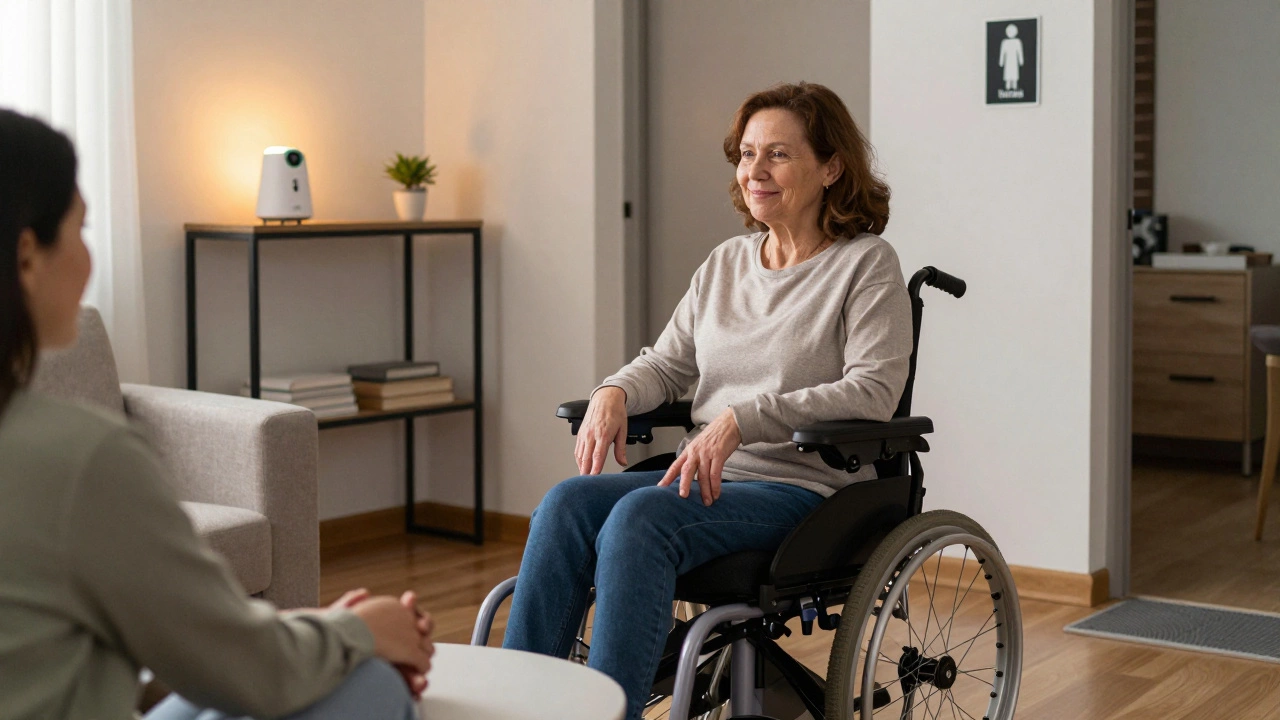
When people think about sex work, images of glamour, danger, or exploitation often come to mind. But for many disabled people, sex work isn’t about fantasy-it’s about survival, dignity, and control over their own bodies. The idea that disability and sexuality don’t mix is a myth built on centuries of ableism. The truth? Disabled people have desires, needs, and the right to express them-just like anyone else. Some turn to sex work because traditional dating apps don’t accommodate their mobility needs, or because caregivers are the only people allowed to touch them, and that line between care and intimacy gets dangerously blurred. One woman in Manchester told me she started offering companionship services after her partner passed away and her social worker told her, ‘You’re lucky to have someone come by once a week.’ She didn’t want luck. She wanted connection. And she found a way to get it on her own terms.
There are platforms where disabled sex workers list their services, often with detailed notes on accessibility: ramps, adjustable beds, wheelchair-friendly bathrooms, or the ability to communicate via text if speech is difficult. Some even offer sessions where clients come in just to talk, hold hands, or sit quietly together. These aren’t romanticized fantasies. They’re real human needs. You might have seen ads for escort luxe paris, glossy images of women in high heels and designer dresses, posing in luxury apartments. It’s a world that looks nothing like the reality of many disabled sex workers who work from home, use voice-activated tech to manage appointments, or rely on partners who understand their physical limits. The contrast isn’t just aesthetic-it’s ethical.
Why Disability Makes Sex Work Different
For non-disabled sex workers, the biggest challenges are often legal risks, stigma, or client safety. For disabled sex workers, those problems exist-but so do others that most people never consider. Can the client’s car fit a ramp? Is the bathroom wide enough for a mobility aid? Can the worker communicate clearly if they have a speech impairment? These aren’t afterthoughts. They’re dealbreakers. A client who shows up in a sedan with no ramp doesn’t just inconvenience a wheelchair user-they erase their ability to work safely. And if a worker has chronic pain, they can’t just ‘push through it’ like someone might in a traditional job. Their body isn’t a machine you can restart with coffee.
Many disabled sex workers also face pressure from family, social workers, or even disability advocates who say, ‘You shouldn’t do this-it’s dangerous.’ But danger isn’t the same as risk. All sex work carries risk. But for disabled people, the alternative is often isolation, depression, or being treated like a child who doesn’t get to have desires. One man in Glasgow, who uses a ventilator, told me he’d rather risk arrest than spend another night listening to his care team discuss his ‘sexual needs’ as if they were a medical anomaly to be managed.
The Myth of ‘Innocent’ Caregivers
It’s common to assume that disabled people’s only intimate contact comes from paid caregivers. But caregivers are trained to provide hygiene, feeding, and mobility help-not emotional or sexual connection. When that line blurs, it’s rarely because the worker wants it. More often, it’s because the person they’re caring for has no other outlet. A 2023 study from the University of Bristol found that 68% of disabled adults who reported feeling lonely had no access to consensual sexual or romantic relationships. Some caregivers cross boundaries because they’re overworked, underpaid, and emotionally isolated themselves. Others are predators who exploit power imbalances. Either way, the system fails.
Sex work, in contrast, is transactional by design. Boundaries are clear. Consent is negotiated upfront. Payment removes the guilt that often comes with asking for touch. A woman with cerebral palsy in Leeds said she stopped accepting hugs from her support worker after he kissed her neck during a shower. ‘He said it was accidental,’ she told me. ‘But I didn’t want accidental. I wanted chosen.’ That’s the difference.
Legal Barriers and the Illusion of Protection
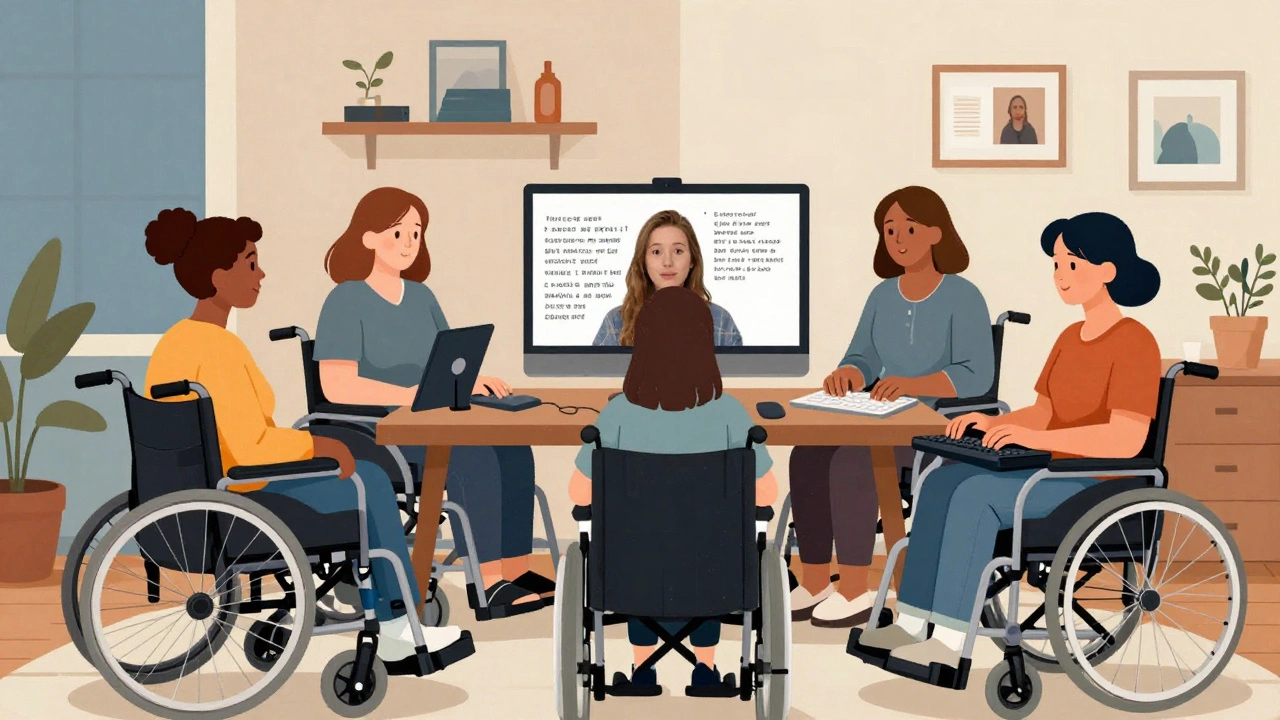
Most laws around sex work are written for non-disabled bodies. They assume mobility, speech, and cognitive ability. In the UK, the Policing and Crime Act 2009 criminalizes soliciting in public-but what if you can’t walk to a street corner? What if you need a voice synthesizer to communicate? The law doesn’t account for that. Some disabled workers use apps or private websites, but those platforms often ban ‘sensitive content,’ which includes anything related to disability. So they’re forced into the shadows, with no way to screen clients, report abuse, or get help if something goes wrong.
Even when laws change, they rarely include disabled people. In New Zealand, where sex work is decriminalized, advocates still don’t include disability in their training materials for safety protocols. No one teaches workers how to handle a client who has a seizure, or how to adjust a session if someone needs a catheter break. The system isn’t designed for them.
Access Isn’t a Bonus-It’s a Requirement
Imagine applying for a job and being told, ‘We don’t have elevators,’ or ‘We don’t provide screen readers.’ You’d walk out. But that’s exactly what happens in the sex work industry for disabled people. Some platforms refuse to list workers who mention disability in their profiles. Others require photos that show ‘full mobility,’ which excludes people who use wheelchairs, walkers, or prosthetics. A 2024 survey by the Disability Sex Workers Network found that 72% of disabled sex workers had been turned away by platforms for being ‘too different.’
But the ones who keep going? They’re building their own networks. WhatsApp groups. Private forums. Word-of-mouth referrals. One woman in London, who uses a powered wheelchair, runs a small collective of disabled workers who vet clients together. They share tips: ‘Don’t bring a dog unless it’s trained for mobility,’ ‘Ask if they can carry you if needed,’ ‘Confirm they know how to use a hoist.’ These aren’t luxuries. They’re survival tools.
Why the ‘Rescue’ Narrative Hurts
Too often, activists, journalists, and even charities talk about disabled sex workers as if they need saving. ‘They’re victims,’ the headlines say. ‘Trapped by circumstance.’ But ask the workers themselves. Most don’t want rescue. They want recognition. They want the right to choose. They want clients who treat them as adults, not as objects of pity or inspiration porn.
One man in Cardiff, who has muscular dystrophy, said: ‘I’ve been called brave for leaving my house. I’ve been called inspirational for having a boyfriend. No one calls me sexy. No one calls me a good lay. I’m just a guy who likes sex. Why is that so hard to accept?’
When we frame disability as a tragedy and sex work as a sin, we erase the people in between. We make it impossible for them to exist without shame. And that’s not protection-it’s erasure.
What Real Support Looks Like
Real support doesn’t mean shutting down sex work. It means making it safer. That includes:
- Platforms that allow disability-related descriptors without flagging them as ‘risky’
- Training for law enforcement on how to distinguish between coercion and consensual work
- Accessible safe houses and legal aid for disabled sex workers
- Public funding for peer-led networks, not charity-run ‘rescue’ programs
- Media that stops portraying disabled people as either saints or victims
Some organizations are starting to get it right. In Canada, the Sex Workers’ Advocacy Network now includes disability liaisons. In Australia, a group called Body Politic runs workshops on consent and accessibility for disabled workers. But these are exceptions. The mainstream still treats the intersection of disability and sex work like a taboo no one should talk about.
But here’s the thing: people with disabilities are having sex. They’re seeking intimacy. They’re selling it when they can’t find it any other way. And if we’re serious about bodily autonomy-if we really believe that everyone deserves to control their own body-then we have to stop pretending this doesn’t happen. We have to stop pretending it’s wrong. And we have to start building systems that actually work for them.
One worker in Birmingham, who uses a voice amplifier and works from her flat, put it simply: ‘I don’t need your pity. I need your respect. And if you can’t give me that, then at least don’t get in the way.’
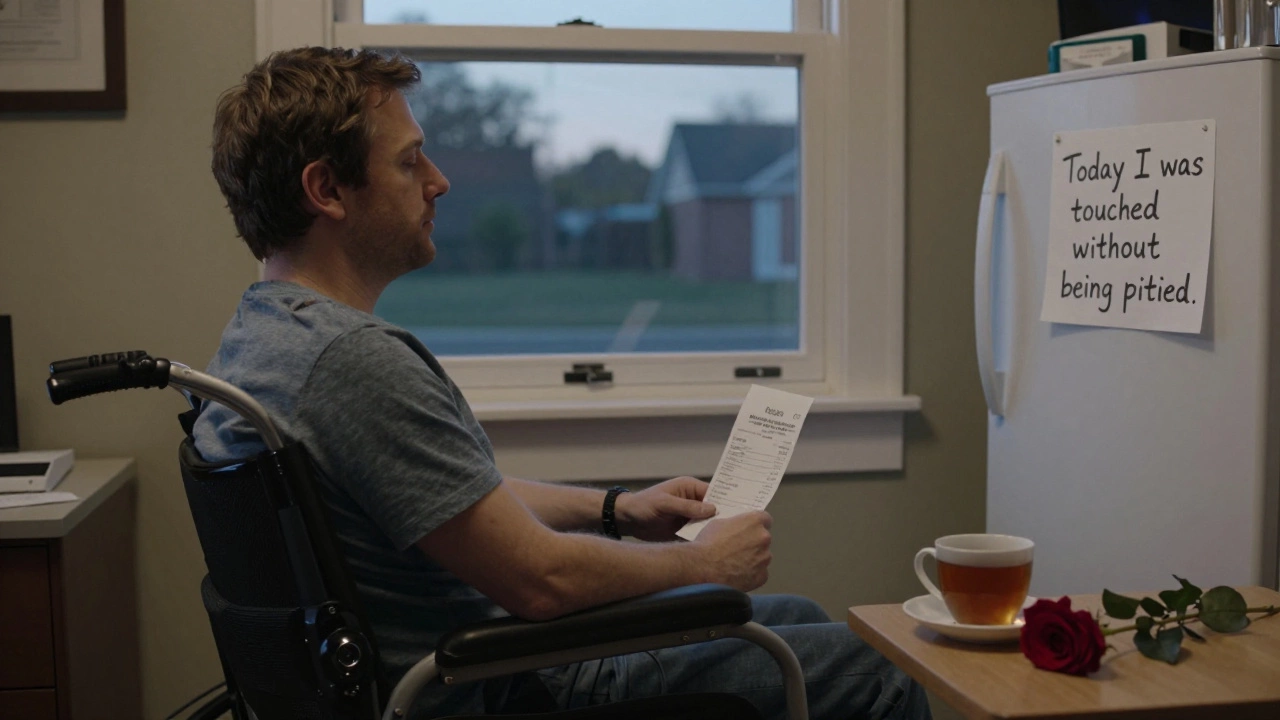
And then there’s the other side of the coin-the clients. Many come because they’re lonely, or because they’ve been told they’re ‘too disabled’ to be desirable. Some are disabled themselves. Others are caregivers looking for a way to connect outside of duty. One man in Oxford, who uses a wheelchair, told me he pays for sessions not because he’s desperate, but because he wants to feel wanted without having to explain his body first. ‘I don’t want to justify my existence,’ he said. ‘I just want to be touched.’
It’s not about romance. It’s not about fantasy. It’s about being seen. And for many disabled people, sex work is the only place where that happens without conditions.
So next time you see an ad for escort luxe paris, or read about escort girl paris 16, or scroll past a listing for escort paris 6, remember: behind every profile is a human being trying to survive, to connect, to be whole. And if we’re going to talk about sex work, we have to talk about all of them-not just the ones who fit the mold.